


The Rise of Minimalist Audio Tools for Sustained Creative Momentum
The Quiet Revolution of the Minimalist Interface
In the modern landscape of digital audio production, we are often told that more is better. More plugins, more tracks, more processing power, and more infinite libraries of samples that stretch into the digital horizon. Yet, there is a growing movement of creators who are finding that this abundance comes at a cost: the fragmentation of focus. As we navigate the vast seas of options, we often lose the very thing we set out to capture—the spark of an original idea.
The rise of minimalist audio tools is not merely a trend in industrial design; it is a reflective response to the sensory overload of the information age. It is an intentional choice to return to the essence of sound. By stripping away the non-essential, these tools allow for a sustained creative momentum that complex systems often inadvertently stifle. When the interface disappears, only the expression remains.
The Paradox of Choice in Sound Design
Psychologists have long discussed the 'paradox of choice'—the idea that having too many options can lead to anxiety and paralysis rather than freedom. In the context of a Digital Audio Workstation (DAW), this manifests as the endless scrolling through snare samples or the hour-long detour into tweaking a synthesizer patch that was already functional. We become curators of tools rather than creators of art.
Minimalist tools solve this by imposing boundaries. These boundaries are not restrictive in a negative sense; rather, they are the banks of a river that allow the water to flow with force. When you use a tool with limited parameters, you are forced to engage with the sound itself. You listen more deeply because you are doing less. This deeper listening is where true innovation resides—in the subtle nuances of a single tone rather than the stacking of a dozen layers.
The Psychological Benefits of Less
Why does simplicity feel so refreshing? It comes down to cognitive load. Every menu, every flashing light, and every complex routing option requires a small piece of our mental energy. When we use tools that prioritize a 'one-knob' philosophy or a distraction-free interface, we preserve that energy for the creative act itself. This preservation is what allows for sustained momentum—the ability to stay in 'the flow' for hours without the fatigue of technical troubleshooting.
Why Constraints Breed Authentic Expression
History shows us that some of the most resonant works of art were created within strict limitations. The four-track recordings of the 1960s or the early electronic experiments with primitive oscillators required a level of ingenuity that modern limitless software often fails to provoke. Minimalist audio tools bring this spirit into the 21st century.
When we work with a minimalist toolset, we stop asking, 'What else can I add?' and start asking, 'What is the core of what I am trying to say?' This shift in perspective is transformative. It moves the creator from a place of consumption to a place of pure production. We begin to value the character of a sound over its perfection, and the rhythm of our thoughts over the complexity of our signal chain.
Defining the Minimalist Toolset
What defines a minimalist audio tool in today’s market? It is often characterized by several key features that prioritize the human experience over technical specification:
- Tactile Feedback: Hardware that emphasizes touch and physical interaction, reducing the need to look at a screen.
- Focused Functionality: Devices or software that do one thing exceptionally well rather than attempting to be an all-in-one solution.
- Subtractive Design: Interfaces that hide advanced features until they are absolutely necessary, keeping the primary workspace clean.
- Immediate Playability: Tools that allow for sound generation within seconds of being powered on, capturing the initial spark of inspiration.
The Future of Sound: Moving Forward by Looking Inward
As we look toward the future of creative expression, the role of the minimalist tool will likely only grow in importance. In a world that is increasingly loud and cluttered, the ability to find a quiet space for creative thought is a competitive advantage. These tools are not just instruments; they are sanctuaries. They provide the structural support needed to build ideas that have weight and meaning.
For the creator at Forward Song, the journey is about exploration. But exploration does not always mean traveling further into the complex; sometimes, it means traveling deeper into the simple. By embracing tools that honor our focus and respect our momentum, we open the door to a more sustainable and fulfilling creative life. We find that when we have less to manage, we have more to give.
Choosing Your Essentials
Integrating minimalism into your workflow doesn't require discarding your entire studio. It begins with a reflective assessment of your process. Ask yourself which tools consistently lead you to a finished product and which ones lead you down a rabbit hole of indecision. The rise of minimalist audio tools is an invitation to curate a space that reflects your creative intent—a space where the sound can finally breathe, and the song can move forward without hesitation.
Ultimately, the tools we choose are a reflection of the value we place on our own ideas. By choosing simplicity, we are betting on our own ability to create something meaningful from the most basic of elements. That is the true power of minimalist audio: it returns the agency to the artist, reminding us that the most important component in any studio is the human heart behind the machine.


How physical tools shape the rhythm of creative progress
The Tactile Shift: Why Physical Tools Matter
In an era where almost every creative task can be completed behind a glass screen, the return to physical tools isn't just a trend—it is a functional shift in how we process ideas. Whether you are a sound designer, a writer, or a visual artist, the tools you touch with your hands dictate the rhythm of your progress. While software offers infinite possibilities, physical tools provide something often more valuable: boundaries and tactile feedback.
Beyond the tactile, developing a practice of intentional sonic awareness can further enhance your rhythm by allowing subtle auditory details to inspire innovative breakthroughs.
At Forward Song, we believe that creative expression is deeply tied to the environment we build around ourselves. When you move a fader, turn a knob, or scribble on a textured piece of paper, your brain engages differently than it does with a mouse click. This sensory connection helps establish a creative cadence that feels more human and less algorithmic.
Establishing a Creative Cadence Through Sensory Feedback
The term "rhythm" in creativity refers to the pace at which you generate, refine, and execute ideas. Physical tools shape this rhythm by providing immediate, haptic feedback. This connection reduces the cognitive load required to navigate complex menus, allowing your intuition to take the lead.
Reducing Digital Friction
Digital friction occurs when you have to stop your creative flow to search for a function in a sub-menu. Physical tools—like a dedicated MIDI controller, a mechanical keyboard, or an analog synthesizer—place those functions at your fingertips. By removing the barrier of the interface, you allow your creative rhythm to remain steady. You aren't just "using a tool"; you are performing a task with muscle memory.
The Role of Muscle Memory in Progress
Think about a guitarist. They don't look at their fingers to find a chord; their body knows the distance. When you integrate consistent physical tools into your workspace, you develop a similar muscle memory. This speed of execution is what allows for rapid progress. When the distance between an idea and its realization is shortened by physical familiarity, your output increases naturally.
Practical Steps to Integrate Physical Tools into Your Workflow
Transitioning toward a more tactile workflow doesn't mean you have to abandon your digital setup. It is about finding a hybrid balance that honors your creative rhythm. Here are a few actionable ways to start using physical tools to drive your progress:
- The "One-Knob" Rule: Identify the one software parameter you adjust the most (like volume, frequency cutoff, or brush size) and map it to a physical dial. Using a physical control for your most frequent action grounds your workflow.
- Analog Sketching: Before opening your software, use a physical notebook or a whiteboard to map out your project. The act of writing by hand slows the brain down just enough to catch details you might overlook when typing.
- Dedicated Control Surfaces: Consider tools that mimic the "feel" of your craft. For sound designers, this might be a motorized fader bank; for writers, a high-quality mechanical keyboard with specific tactile resistance.
- Physical Boundaries: Use physical objects to signal the start and end of a creative session. This could be as simple as lighting a specific candle or flipping a physical "On" switch for your gear. This creates a psychological rhythm for your workday.
How Physicality Inspires Innovative Thinking
There is a unique type of accidental discovery that happens only when working with physical tools. In the digital world, "Undo" is always an option, which can lead to a perfectionist loop that stalls progress. In the physical world, mistakes often lead to "happy accidents."
Embracing the Limitations of Hardware
Physical tools are inherently limited. A piece of hardware has a set number of buttons; a sheet of paper has a fixed border. These limitations are actually catalysts for progress. Instead of being overwhelmed by the infinite choices of a digital canvas, you are forced to be creative within a specific framework. This focus helps you finish projects rather than endlessly tweaking them.
The Psychological Impact of Tangible Results
There is a profound sense of accomplishment that comes from interacting with the physical. Seeing your progress manifest in a filled notebook or hearing a sound change as you physically manipulate a patch cable provides a dopamine hit that digital interactions often lack. This positive reinforcement encourages you to return to your work, sustaining your creative rhythm over the long term.
Choosing the Right Tools for Your Rhythm
When selecting new tools for your studio or workspace, don't just look at the spec sheet. Ask yourself how the tool feels. Does the weight of the knob feel substantial? Is the layout intuitive to your reach? The best tools are the ones that disappear into your process, becoming an extension of your hands rather than a hurdle to overcome.
As we explore the future of creative expression at Forward Song, we find that the most innovative thinkers are those who can bridge the gap between digital power and physical soul. By intentionally choosing tools that shape your rhythm, you aren't just making work—you are mastering the art of progress.
Conclusion: Finding Your Flow
Your creative rhythm is personal, and the tools you choose should reflect that. By introducing tactile elements into your daily routine, you can break through digital fatigue and find a more sustainable, enjoyable way to create. Start small—perhaps with a single controller or a dedicated sketching kit—and notice how the physical weight of your tools begins to add momentum to your creative journey.

Why Audio-Driven Storytelling Matters: The Power of Ideas Built Through Sound
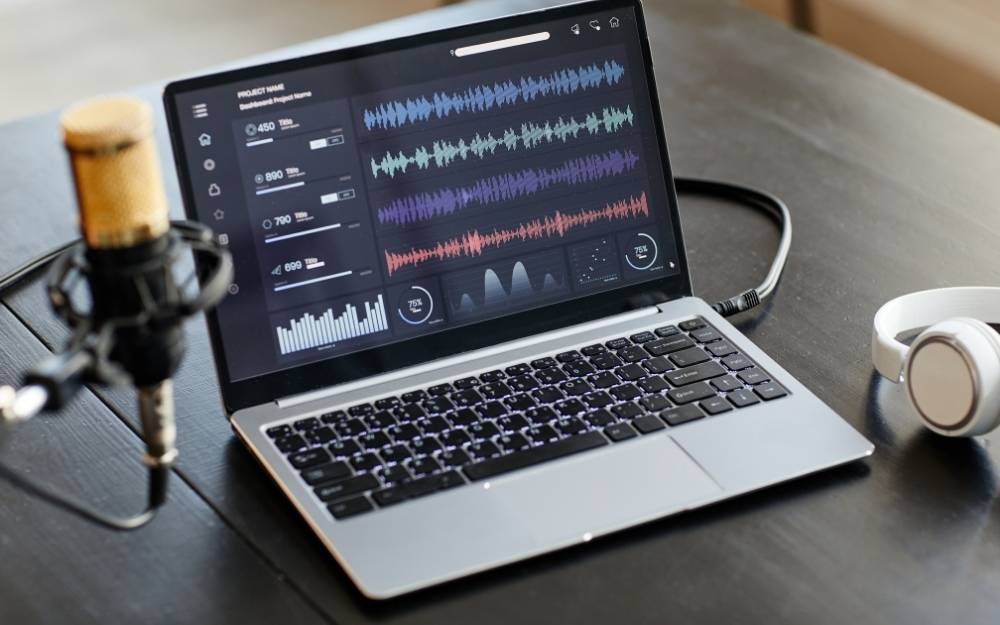
Audio-driven storytelling is reshaping the way people connect with ideas, brands, and emotion. In a world saturated with fast visual content, sound cuts through the noise with authenticity and depth. It engages the imagination, activates memory, and creates immersive narratives that visuals alone cannot achieve. The result: communication that resonates longer, travels wider, and influences more powerfully.
The Cognitive Advantage of Sound
Humans process audio differently than visual information. Sound enters the brain faster and triggers emotional response before conscious thought. Tone, rhythm, and pacing shape how meaning is perceived—often with greater impact than words themselves. This neurological shortcut is the reason audio formats have exploded: podcasts, sonic branding, immersive audio installations, and AI-generated soundscapes.
When storytelling uses audio strategically, it embeds ideas in memory and creates stronger emotional retention.
Imagination as a Creative Engine
Audio invites the listener to co-create the story in their mind. Instead of being told exactly what to see, the audience becomes a participant. This mental collaboration fuels deeper engagement and a more personal experience.
Audio-driven narratives:
- Encourage imagination rather than dictate visuals
- Create intimacy and trust between storyteller and listener
- Build atmosphere and context with minimal information
- Scale effortlessly across cultures and languages
The strongest ideas unfold through what is felt, not just shown.
The Rise of Sonic Identity
Brands and creators are investing in sound as a signature element. From startup chimes to motion soundtrack cues, sonic identity is becoming as critical as visual identity. A carefully crafted sound instantly communicates values, personality, and emotional tone.
Effective sonic identity strengthens:
- Brand recall
- Emotional impact
- Narrative consistency
- Audience loyalty
In an attention economy, familiarity wins—and audio builds familiarity at a subconscious level.
Immersive Storytelling and the Future
Spatial audio, generative sound, interactive soundscapes, and experiential performances are redefining narrative experience. These formats allow audiences not just to hear stories, but to enter them.
The future of storytelling is multi-sensory, but sound will remain the core driver because it dictates pace, structure, and emotional rhythm.
Conclusion
Audio-driven storytelling matters because it connects on a deeper human level. It transforms passive audiences into engaged participants and enhances meaning through emotional architecture. Ideas built through sound travel farther and land with more clarity. Those who understand how to shape narrative through listening will lead the next era of creative expression.
The Art of Listening: How Sonic Awareness Inspires Innovative Thinking
Listening is an underrated creative skill. In a world overloaded with visual noise and constant distraction, sonic awareness has emerged as a powerful tool for unlocking deeper thinking and breakthrough ideas. It is not just about hearing—it's about perceiving, interpreting, and responding to the subtleties of sound. When individuals and teams cultivate this level of attentiveness, they sharpen intuition, enhance problem-solving abilities, and ignite more innovative outcomes.
Listening as a Cognitive Strategy
Sound plays a crucial role in how the brain processes information. When we listen actively, neural pathways associated with memory, emotion, and creativity intensify. Research consistently shows that heightened auditory engagement improves pattern recognition and stimulates divergent thinking—an essential component of innovation.
Great innovators across disciplines share a common trait: they listen more than they speak. Sonic awareness helps them detect nuance, uncover hidden meaning, and approach challenges with openness rather than assumption.
Sonic Environments That Build Better Ideas
Workspaces designed with sound in mind perform better. Intentional soundscapes—ambient tones, natural acoustics, subtle rhythmic patterns—create environments that calm the nervous system and support deeper concentration. Meanwhile, chaotic or poorly managed noise environments increase stress and cognitive fatigue, directly suppressing creativity.
Forward-thinking studios, laboratories, and creative hubs now invest in acoustic architecture and curated audio atmosphere to support productive ideation.

Listening as a Creative Method
For artists, designers, engineers, and thinkers, listening is a catalyst for invention:
- Detecting emotional cues that influence human-centered design.
- Exploring sonic textures that become starting points for artistic direction.
- Using silence intentionally to amplify meaning and improve focus.
- Mapping sound patterns to reveal structural or conceptual insight.
By treating sound as raw data and inspiration, creators shift away from linear problem-solving and toward multidimensional thinking.
The Human Connection
Listening strengthens relationships. Teams that practice deliberate listening build trust, communicate more clearly, and collaborate with purpose. Innovation dies in environments where voices compete for dominance but thrives when people feel genuinely heard.
Whether developing a new product, composing a score, or designing an immersive installation, listening transforms group dynamics into collective intelligence.
Conclusion
Sonic awareness is not abstract philosophy—it is a practical framework for innovation. When individuals learn to listen deeply and environments are engineered to support focus, creativity scales. Those who understand the power of sound gain an advantage: they think more clearly, collaborate more intelligently, and build ideas that resonate.
Listening is not passive. It is an active art––and a strategic weapon for those shaping the future of creativity.
How Experimental Sound Design Is Reshaping the Future of Creative Expression
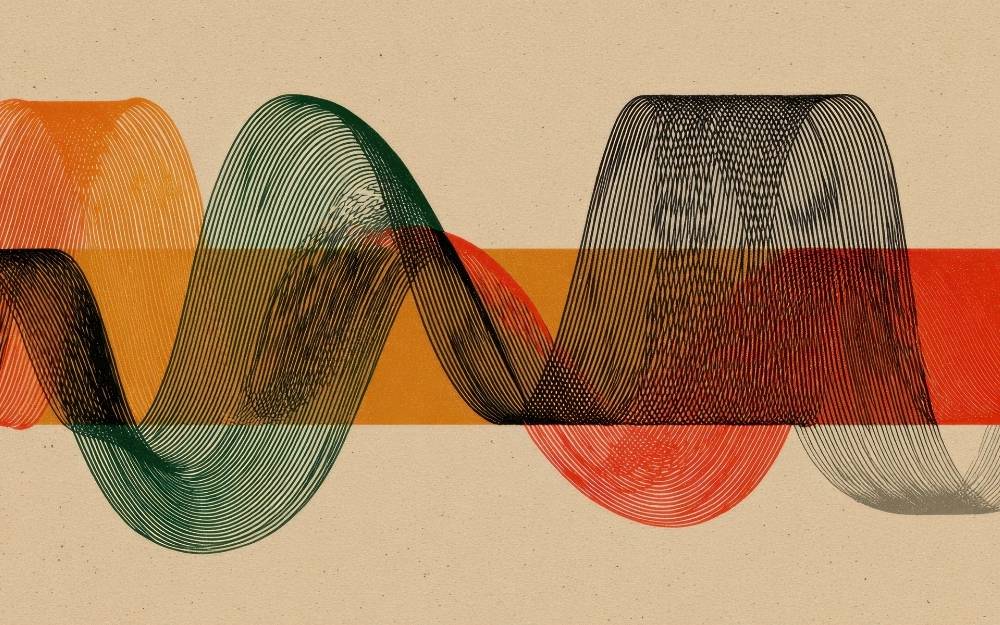
Experimental sound design has rapidly evolved from a niche artistic pursuit into a defining force in the future of creative expression. With boundaries between traditional music production, spatial audio, interactive installations, and digital art continuing to blur, sound has become a medium for emotional immersion, conceptual storytelling, and sensory exploration. Forward-thinking creators are no longer limited to conventional instruments or linear composition; instead, they are leveraging technology, acoustics, and sonic innovation to redefine how audiences experience art.
Breaking the Rules of Traditional Composition
Unlike classical music structures, experimental sound design intentionally disrupts order. Artists manipulate timbre, silence, distortion, and non-musical textures—metal scraping, wind turbulence, electromagnetic interference—to create compositions driven by sensation rather than melody. The result is a profound listening experience that challenges the brain to decode unfamiliar patterns, reshaping cognitive and emotional perception.
This approach expands the identity of sound itself—from something consumed passively to something that demands intellectual and sensory engagement.
Technology as a Catalyst for Sonic Revolution
Modern tools have dramatically accelerated experimentation:
- AI-generated soundscapes allow compositions that evolve in real time.
- Spatial audio and ambisonics immerse listeners in multi-dimensional sound.
- Digital synthesis and modular hardware give creators endless control over sonic texture.
- Interactive installations blend sound with performance, architecture, and motion sensors.
These advancements have transformed sound into a sculptural medium. Today, artists can build acoustic environments that respond to movement, emotional inputs, or environmental data—fundamentally changing how audiences participate in creative work.

Sound as a Multisensory Gateway
Experimental audio has become a cornerstone of immersive art installations and live experiences. When sound is merged with light, visual storytelling, VR, or physical space, it activates more of the brain’s sensory pathways. This deepens emotional absorption and strengthens memory retention—an essential component for experiential art, brand experiences, and cultural exhibitions.
As audiences demand experiences instead of passive consumption, sound designers are stepping into the role of architects of mood, motion, and narrative.
Why Experimental Sound Design Matters
The rise of experimental sound design is more than an artistic trend—it signals a shift in how society understands creativity. Sound has become a universal language capable of shaping perception, influencing emotions, and redefining collective imagination. It democratizes creative expression by removing the barriers of traditional training and encouraging exploration without constraints.
Those who embrace sound as a dynamic medium are positioned at the forefront of the future of culture, innovation, and sensory storytelling.
Conclusion
Experimental sound design is rewriting the rules of creative expression. As technology evolves and artists continue pushing beyond convention, sound will remain one of the most powerful tools for shaping immersive experiences. The future of creativity belongs to those willing to experiment, disrupt, and listen differently.