Experimental sound design has rapidly evolved from a niche artistic pursuit into a defining force in the future of creative expression. With boundaries between traditional music production, spatial audio, interactive installations, and digital art continuing to blur, sound has become a medium for emotional immersion, conceptual storytelling, and sensory exploration. Forward-thinking creators are no longer limited to conventional instruments or linear composition; instead, they are leveraging technology, acoustics, and sonic innovation to redefine how audiences experience art.
Breaking the Rules of Traditional Composition
Unlike classical music structures, experimental sound design intentionally disrupts order. Artists manipulate timbre, silence, distortion, and non-musical textures—metal scraping, wind turbulence, electromagnetic interference—to create compositions driven by sensation rather than melody. The result is a profound listening experience that challenges the brain to decode unfamiliar patterns, reshaping cognitive and emotional perception.
This approach expands the identity of sound itself—from something consumed passively to something that demands intellectual and sensory engagement.
Technology as a Catalyst for Sonic Revolution
Modern tools have dramatically accelerated experimentation:
- AI-generated soundscapes allow compositions that evolve in real time.
- Spatial audio and ambisonics immerse listeners in multi-dimensional sound.
- Digital synthesis and modular hardware give creators endless control over sonic texture.
- Interactive installations blend sound with performance, architecture, and motion sensors.
These advancements have transformed sound into a sculptural medium. Today, artists can build acoustic environments that respond to movement, emotional inputs, or environmental data—fundamentally changing how audiences participate in creative work.
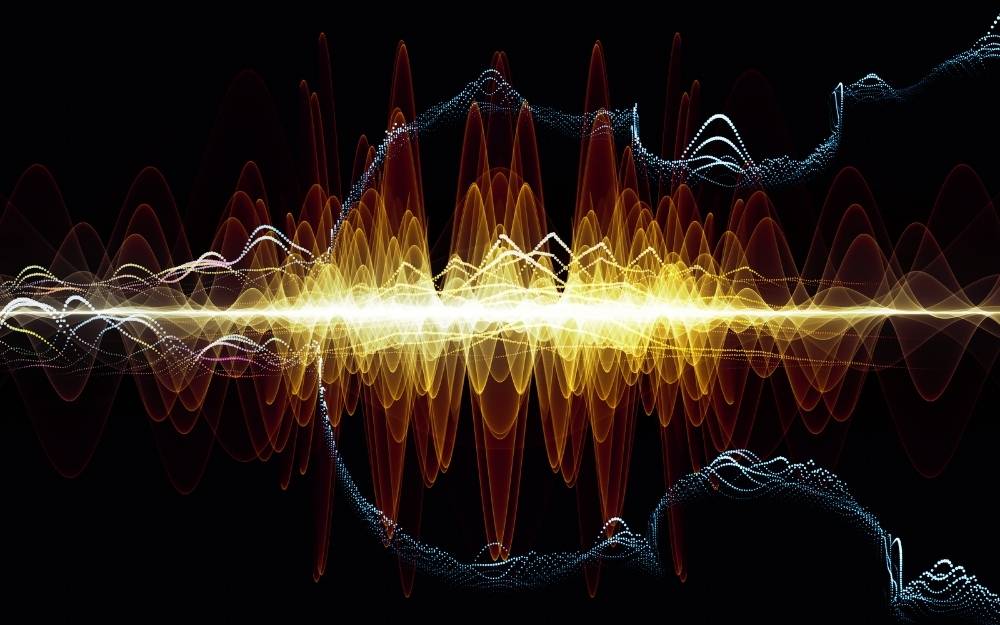
Sound as a Multisensory Gateway
Experimental audio has become a cornerstone of immersive art installations and live experiences. When sound is merged with light, visual storytelling, VR, or physical space, it activates more of the brain’s sensory pathways. This deepens emotional absorption and strengthens memory retention—an essential component for experiential art, brand experiences, and cultural exhibitions.
As audiences demand experiences instead of passive consumption, sound designers are stepping into the role of architects of mood, motion, and narrative.
Why Experimental Sound Design Matters
The rise of experimental sound design is more than an artistic trend—it signals a shift in how society understands creativity. Sound has become a universal language capable of shaping perception, influencing emotions, and redefining collective imagination. It democratizes creative expression by removing the barriers of traditional training and encouraging exploration without constraints.
Those who embrace sound as a dynamic medium are positioned at the forefront of the future of culture, innovation, and sensory storytelling.
Conclusion
Experimental sound design is rewriting the rules of creative expression. As technology evolves and artists continue pushing beyond convention, sound will remain one of the most powerful tools for shaping immersive experiences. The future of creativity belongs to those willing to experiment, disrupt, and listen differently.
Related Posts

The Rise of Minimalist Audio Tools for Sustained Creative Momentum
Explore how minimalist audio tools…
How physical tools shape the rhythm of creative progress
Discover how tactile gear and physical…