Audio-driven storytelling is reshaping the way people connect with ideas, brands, and emotion. In a world saturated with fast visual content, sound cuts through the noise with authenticity and depth. It engages the imagination, activates memory, and creates immersive narratives that visuals alone cannot achieve. The result: communication that resonates longer, travels wider, and influences more powerfully.
The Cognitive Advantage of Sound
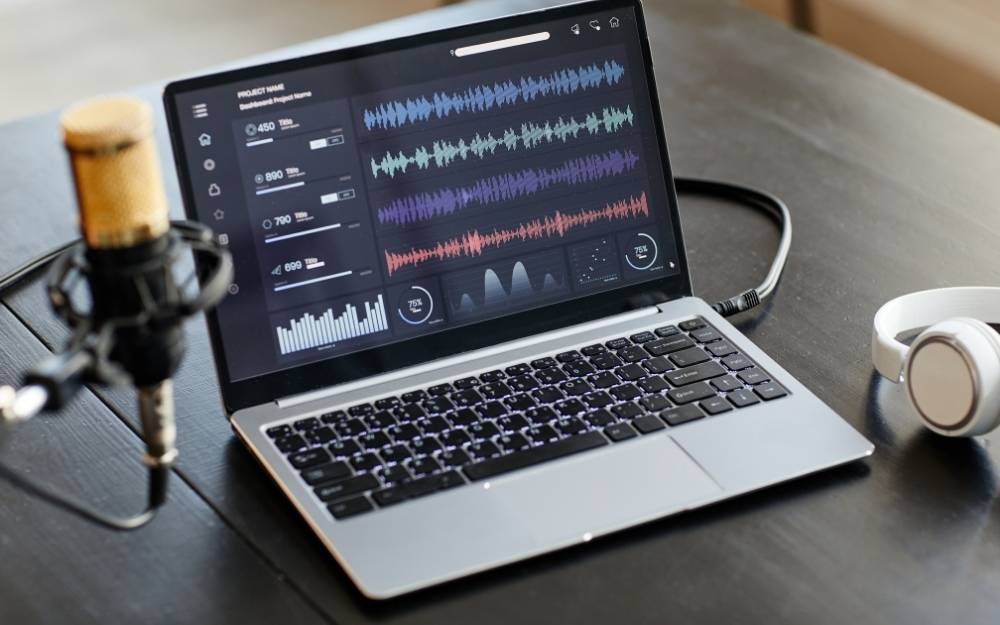
Humans process audio differently than visual information. Sound enters the brain faster and triggers emotional response before conscious thought. Tone, rhythm, and pacing shape how meaning is perceived—often with greater impact than words themselves. This neurological shortcut is the reason audio formats have exploded: podcasts, sonic branding, immersive audio installations, and AI-generated soundscapes.
When storytelling uses audio strategically, it embeds ideas in memory and creates stronger emotional retention.
Imagination as a Creative Engine
Audio invites the listener to co-create the story in their mind. Instead of being told exactly what to see, the audience becomes a participant. This mental collaboration fuels deeper engagement and a more personal experience.
Audio-driven narratives:
- Encourage imagination rather than dictate visuals
- Create intimacy and trust between storyteller and listener
- Build atmosphere and context with minimal information
- Scale effortlessly across cultures and languages
The strongest ideas unfold through what is felt, not just shown.
The Rise of Sonic Identity
Brands and creators are investing in sound as a signature element. From startup chimes to motion soundtrack cues, sonic identity is becoming as critical as visual identity. A carefully crafted sound instantly communicates values, personality, and emotional tone.
Effective sonic identity strengthens:
- Brand recall
- Emotional impact
- Narrative consistency
- Audience loyalty
In an attention economy, familiarity wins—and audio builds familiarity at a subconscious level.
Immersive Storytelling and the Future
Spatial audio, generative sound, interactive soundscapes, and experiential performances are redefining narrative experience. These formats allow audiences not just to hear stories, but to enter them.
The future of storytelling is multi-sensory, but sound will remain the core driver because it dictates pace, structure, and emotional rhythm.
Conclusion
Audio-driven storytelling matters because it connects on a deeper human level. It transforms passive audiences into engaged participants and enhances meaning through emotional architecture. Ideas built through sound travel farther and land with more clarity. Those who understand how to shape narrative through listening will lead the next era of creative expression.
Related Posts

The Rise of Minimalist Audio Tools for Sustained Creative Momentum
Explore how minimalist audio tools…
How physical tools shape the rhythm of creative progress
Discover how tactile gear and physical…